Table of Contents (17 sections)
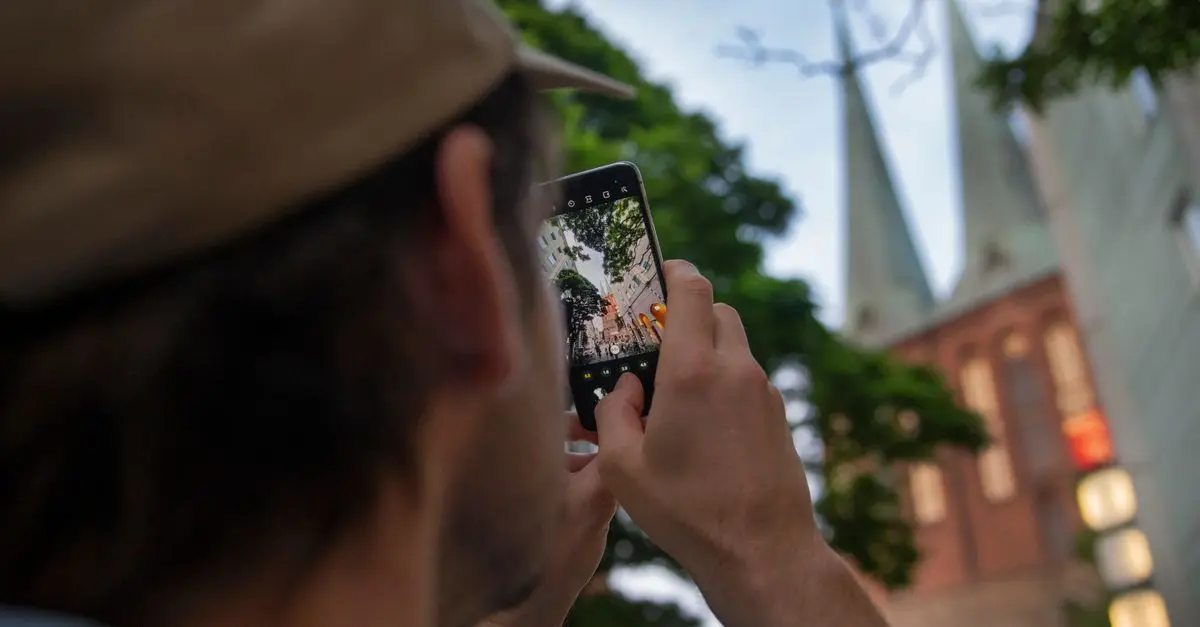
Augmented reality (AR) technology is reshaping the smartphone landscape in unprecedented ways. As we delve into 2026, the integration of AR in smartphone features reflects a significant evolution in how we interact with our devices. This article will explore the most transformative trends regarding AR smartphones technology, providing insights and predictions based on current innovations and user experiences.
What is AR Technology?
AR technology overlays digital information onto the real world, enhancing the user's perception of their environment. Unlike virtual reality, which immerses users completely in a digital world, AR enhances reality by adding layers of information. This is particularly significant for smartphones, as they integrate digital features with everyday tasks and interactions. With AR, users can visualize how products will look in their homes, utilize navigation systems that highlight routes in real-time, or even engage with interactive learning tools in educational settings.
In 2026, AR smartphones technology has demonstrated its potential to revolutionize various sectors, including retail, education, and gaming. According to a report by IDC, the global AR market is expected to reach $198 billion by 2026, indicating robust growth driven by consumer demand for innovative applications.
Major Trends in AR Smartphones Technology
1. Enhanced E-commerce Experiences
As AR technology becomes integrated into smartphones, the e-commerce industry is one of the most profoundly impacted. Retailers are leveraging AR to provide immersive shopping experiences. Users can, for example, visualize how furniture will look in their living rooms through their smartphone cameras.
Deloitte reports that retailers using AR have observed an increase in conversion rates by up to 40%. Apps like IKEA Place allow users to overlay 3D models of furniture in their real-world settings, facilitating informed purchase decisions. This trend is expected to accelerate as brands continue to adopt AR to enhance customer satisfaction and reduce returns.
2. AR Navigation Solutions
AR navigation on smartphones is revolutionizing how users interact with their environment. By using real-time data and overlaying directions onto the physical world, navigating cities has never been more intuitive. Google Maps and similar applications now prominently feature AR overlays, guiding users with arrows and signs integrated into their live views.
According to a report from Statista, 67% of users find AR navigation significantly enhances their navigation skills. Predictions for 2026 suggest that this trend will only grow, with more municipalities adopting AR tech to support pedestrians and cyclists.
3. Gaming and Interactive Entertainment
The gaming industry has embraced AR technology, producing experiences that blend the virtual and physical worlds. Titles like Pokémon GO have set the stage, with players catching Pokémon in real-world environments. As smartphone AR capabilities advance, studios are expected to create even more immersive experiences.
Newzoo predicts that AR gaming revenues will exceed $18 billion by 2026, driven by smartphone capabilities and user engagement. This underscores the trend of mobile gaming moving towards interactive and location-based experiences that keep players connected to their surroundings.
4. Educational Tools and Platforms
In education, AR smartphones technology enriches learning environments. Educators can utilize AR to create interactive lessons, allowing students to engage with complex subjects in an immersive way. For instance, anatomy students can use AR apps to visualize and interact with 3D models of human anatomy.
Research by EdTech Magazine indicates that 85% of educators believe AR can enhance student engagement significantly. By 2026, we anticipate an increase in the integration of AR tools in classrooms, supporting various learning styles and enhancing retention.
5. Social Media Integration
Social media platforms are integrating AR features to enhance user interaction. Apps like Snapchat and Instagram have already incorporated AR filters, allowing users to create rich, engaging content. As smartphone technology evolves, we can expect further enhancements in AR experiences across these platforms.
DigiDay reports that brands using AR on social media see engagement rates increase by over 60%. In 2026, we anticipate this trend will continue, with more platforms implementing consumer-friendly AR technology to captivate audiences.
Comparative Overview
| Feature | E-commerce AR | Navigation AR | Gaming AR | Education AR | Social Media AR |
|---|---|---|---|---|---|
| User Engagement | High (40% increase) | Medium (67% approval) | Very High (over 60% increase) | High (85% approval) | High (60% engagement) |
| Potential Market Growth | $198 billion (2026 est) | Growing steadily | $18 billion (2026 est) | Expanding rapidly | Significant growth expected |
| User Experience Enhancement | Visualizes products | Real-time directions | Interactive gameplay | Immersive learning | Engaging filters |
| Current Examples | IKEA Place, Sephora | Google Maps, Citymapper | Pokémon GO, Minecraft Earth | Anatomy 4D, Google Expeditions | Snapchat, Instagram |
What are Augmented Reality smartphones?
AR smartphones integrate augmented reality technology, allowing users to overlay digital content in their real-world environment using their device's camera.
How does AR impact retail?
AR enhances retail experiences by allowing customers to visualize products in their space before purchasing, thus improving decision-making and reducing return rates.
Can AR technology improve education?
Yes, AR technology provides immersive learning experiences, helping students engage with content in dynamic ways that enhance retention and understanding.
What is the future of AR on smartphones?
The future of AR on smartphones looks promising, with continued advancements expected in various fields including retail, gaming, education, and social media, leading to more immersive user experiences.
Glossary
| Terme | Définition |
|---|---|
| Augmented Reality | A technology that overlays digital information onto the real world. |
| E-commerce | The buying and selling of goods or services over the internet. |
| User Engagement | The interaction between users and a brand or product, measured by actions taken. |
Checklist before investing in AR technology
- [ ] Research current AR smartphone capabilities
- [ ] Explore applications relevant to your industry
- [ ] Assess user engagement metrics from existing AR features
- [ ] Verify the scalability of AR solutions
- [ ] Examine potential ROI from AR investments
📺 For further exploration: How Augmented Reality is Reshaping User Experience, a comprehensive analysis of its impact on various industries. Search on YouTube: "AR smartphones technology 2026".
🧠 Quick Quiz: What is the primary benefit of AR in e-commerce?
- A) Increased Shipping Times
- B) Better Product Visualization
- C) Reduced Marketing Costs
Answer: B — Better Product Visualization enhances customer decision-making.