Table of Contents (14 sections)
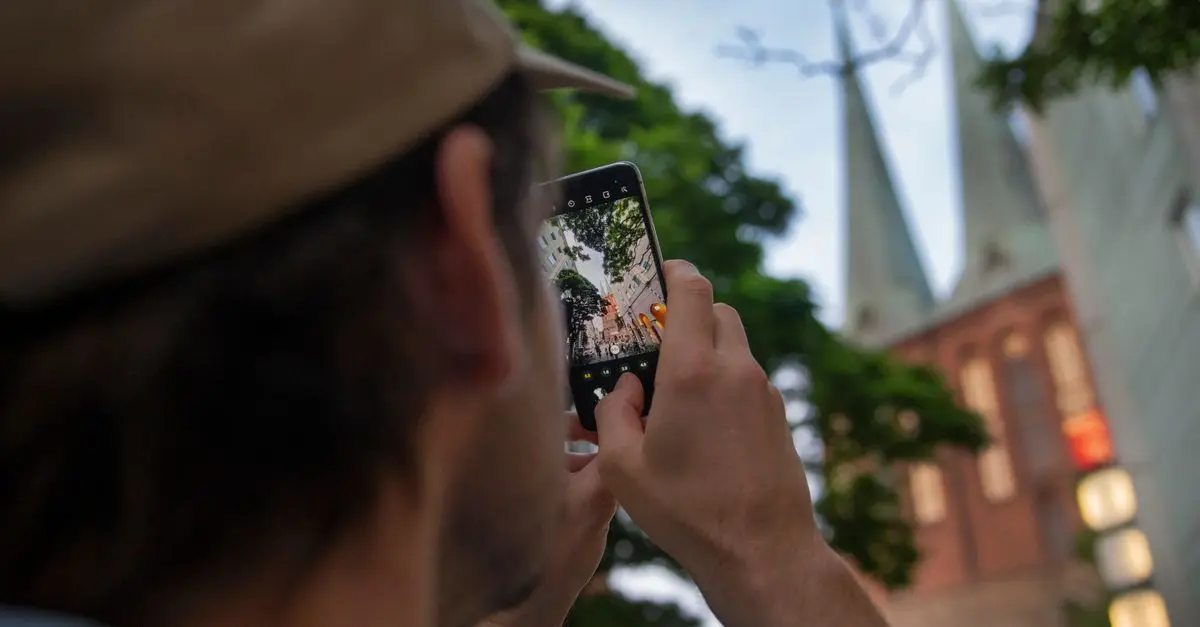
As a photography enthusiast, the equipment you use can significantly influence the quality of your images. In recent years, smartphones have become a crucial tool for photographers, offering powerful cameras that rival traditional DSLRs in certain situations. This article explores the best smartphones for photography available in 2026, focusing on their features, strengths, and weaknesses to help you make an informed choice.
🖼️ What to Look for in Smartphones for Photography
When considering smartphones for photography, several key features should be prioritized:
- Camera Quality: The resolution, sensor size, and aperture are critical. A phone with a higher megapixel count may capture more detail, but sensor quality and lens aperture play a larger role in overall image quality.
- Image Processing: The software behind a smartphone camera is as important as the hardware. Advanced algorithms can enhance images, particularly in low light, helping to reduce noise and improve dynamic range.
- Versatility: Features like multiple lenses (wide-angle, telephoto), optical image stabilization (OIS), and manual controls can greatly enhance flexibility in shooting various scenes.
- User Interface: An intuitive camera app can make a huge difference, providing easy access to shooting modes, settings, and editing tools.
- Battery Life: Shooting extensively with your smartphone can drain the battery quickly. Having a robust battery ensures you won't miss out on capturing those spontaneous moments.
📊 Comparative Analysis of Top Smartphones for Photography
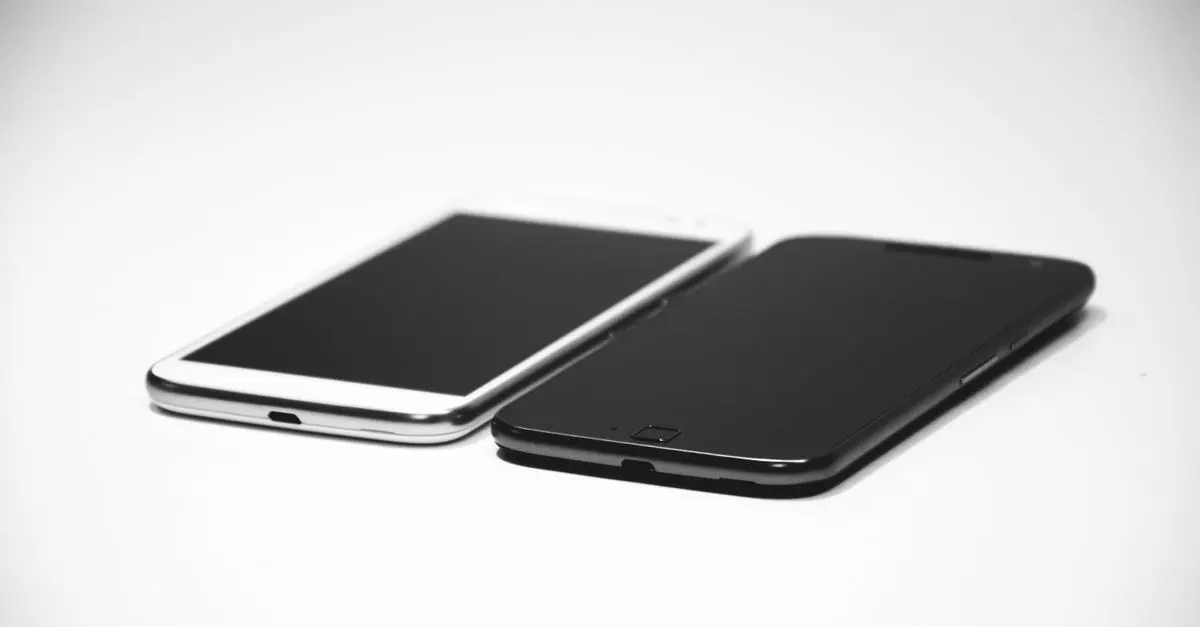
To better understand the current options, here’s a comparative table of some leading smartphones in photography.
| Feature | Smartphone A | Smartphone B | Smartphone C | Verdict |
|---|---|---|---|---|
| Camera Resolution | 108 MP | 64 MP | 50 MP | A offers the highest detail |
| Aperture | f/1.8 | f/1.6 | f/2.0 | B shines in low-light performance |
| OIS | Yes | Yes | No | A and B excel in stabilization |
| Battery Life (mAh) | 4000 mAh | 4500 mAh | 3700 mAh | B has a longer lasting battery |
📸 Procedural Guide: Using Your Smartphone for Stunning Photos
To maximize the potential of your smartphone for photography, here’s a simple step-by-step guide:
- Understand Your Camera Settings: Explore modes like Portrait, Night, and Pro to maximize control.
- Composition Techniques: Apply the rule of thirds, leading lines, and symmetry to create more engaging images.
- Lighting Awareness: Utilize natural light to your advantage. Early morning and late afternoon offer softer, golden tones.
- Post-Processing: Familiarize yourself with apps for editing. Tools like Adobe Lightroom or Snapseed can help in enhancing your images significantly.
- Practice Regularly: Like any skill, photography improves with practice. Experiment with different settings, compositions, and editing styles.
📈 Data-Driven Insights on Smartphone Photography
The rise of smartphone photography can be traced back to the increasing quality and accessibility of these devices. According to UFC-Que Choisir, over 70% of professional photographers now consider smartphones as a viable option for everyday photography due to their rapid advancements in camera technology. Additionally, the mobile camera market is estimated to grow by 15% annually, indicating a healthy trend for innovation within this space.
📺 For Further Exploration
> 📺 Check out: Amazing Smartphone Photography Tricks, a content-rich guide for obtaining professional results using just your smartphone. Search on YouTube: smartphone photography tips 2026.
❓ Frequently Asked Questions
What features make a smartphone great for photography?
A smartphone great for photography typically features a high-quality camera, effective image processing software, and good battery life.
Are more megapixels always better for photography?
Not necessarily; while higher megapixels can offer more detail, sensor quality, and lens capabilities significantly affect image quality.
How can I improve my smartphone photography?
Improvement can be made through understanding camera settings, practicing composition techniques, and using editing apps.
Is it worth investing in a smartphone specifically for photography?
Absolutely, especially if photography is a priority for you. Modern smartphones can effectively replace dedicated cameras for many situations.
Glossary
| Term | Definition |
|---|---|
| Aperture | The opening in a lens through which light passes, influencing exposure and depth of field. |
| OIS | Optical Image Stabilization, a technology that reduces blur associated with the motion of the camera. |
| Megapixel | A unit of graphic resolution equivalent to one million pixels, indicating image detail quality. |
Checklist Before Purchase
- [ ] Assess camera specifications
- [ ] Consider additional features like OIS
- [ ] Check battery life ratings
- [ ] Read user reviews for real-life performance
- [ ] Evaluate price against features
Conclusion
In the digital age, smartphones have revolutionized photography, allowing anyone to capture stunning images. By understanding the features that matter most and considering the best smartphones for photography, you can elevate your photography game. Whether you’re a hobbyist or a professional, investing in the right device can enhance your creative expression. Happy shooting!