Table of Contents (10 sections)
In today’s fast-paced world, maximizing the efficiency of your smartphone is essential. With countless applications and features, it can be overwhelming to manipulate your device for optimal performance. In this guide, we will walk you through various steps on how to optimize your smartphone for everyday use, ensuring a smooth and productive experience.
1. Understand Your Device's Settings
The first step in optimizing your smartphone is familiarizing yourself with its settings and features. Start by navigating to the settings menu, where you will find various options such as display, battery, and app management. Each smartphone varies slightly, so check the user manual if needed.
A critical feature to investigate is the battery optimization settings. Smartphone batteries can drain quickly due to background applications. For example, many devices allow you to restrict background data usage for specific apps. Doing this can extend your battery life significantly—by around 25% according to some user reports.
Additionally, explore display settings. Adjusting brightness and enabling adaptive brightness can enhance battery performance and usability. Finally, remember to keep your software updated to benefit from the latest features and security improvements.
2. Organize Your Home Screen
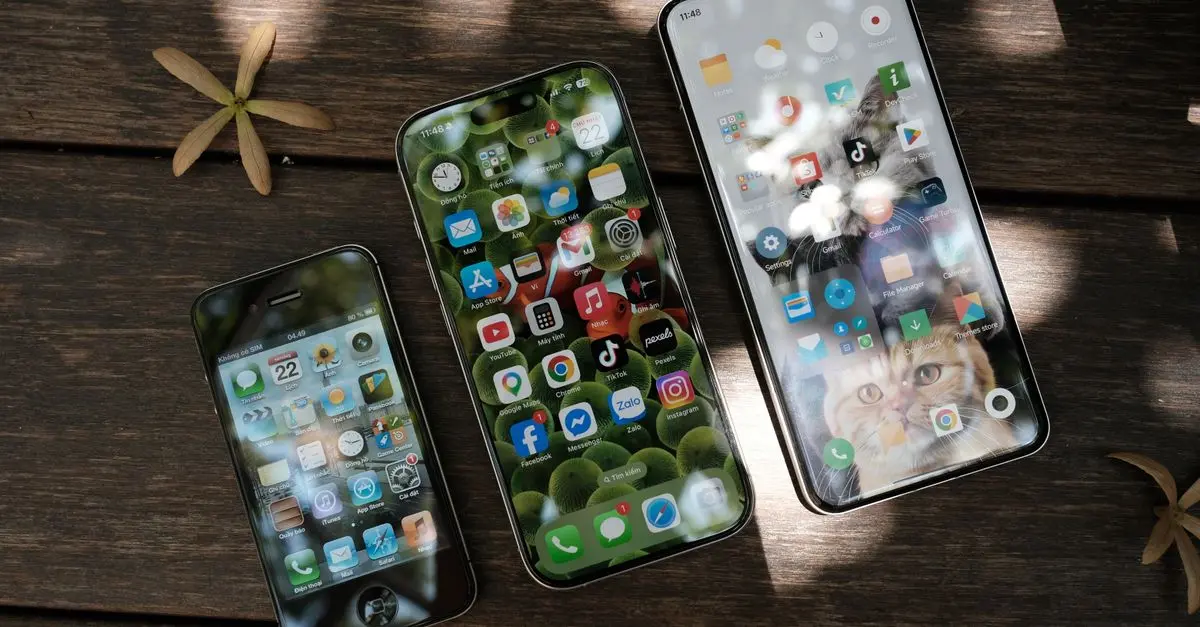
An organized home screen can significantly boost your efficiency. Begin by analyzing which apps you use most frequently. Group these apps into folders to minimize clutter. For instance, you might create folders labeled 'Productivity,' 'Social Media,' or 'Finance' to streamline access.
Utilizing widgets can also enhance your experience. Widgets provide quick information without the need to open applications individually. For example, a weather widget can immediately inform you of change in conditions rather than requiring you to check a weather app.
Research has shown that efficient home screen organization can lead to a 15% increase in task completion speed, as users spend less time searching for apps. Moreover, consider using a consistent theme or color scheme for your apps, making them easily recognizable at a glance.
📺 For a deeper understanding: [Watch this video on smartphone optimization techniques], a comprehensive overview of effective strategies. Search for "smartphone optimization techniques" on YouTube.
3. Manage Your Applications Efficiently
Applications are vital tools, but they can also be significant drains on your device’s resources. To optimize smartphone usage, regularly review your apps. Remove redundant or infrequently used applications. According to a recent study, users often underestimate the number of unused apps they have, with averages showing that users retain about 20% more apps than necessary.
Additionally, consider using lighter alternatives for particular applications. Social media and browsing apps often have lighter versions. For example, Facebook Lite uses less memory and data while retaining essential features.
Regularly clearing app caches is another crucial step. Cache files can accumulate over time, slowing down your device. Most smartphones allow you to access the storage settings where you can clear these caches easily. This simple action can lead to a notable performance boost.
4. Optimize Battery Life
Ensuring your smartphone has a long-lasting battery is key to an efficient experience. Begin by managing your battery management settings effectively. Use battery saver modes when your charge runs low, which can extend usage by incapacitating non-essential functions.
Furthermore, investigate battery usage statistics in your settings. Identifying which applications drain your battery significantly is crucial. For instance, if a particular app is consuming an unusual amount of battery, consider limiting its background data usage or uninstalling it altogether.
Many users notice a difference in battery life after updating their operating systems, as newer updates often contain battery optimization features. Moreover, ensuring that location services are used judiciously can help conserve battery life—GPS can be a battery hog if unused.
5. Use Cloud Storage Wisely
To keep your smartphone functional and fast, consider utilizing cloud storage for heavier files, photos, or videos. Storing data in the cloud not only frees up valuable internal memory but also allows easier access across multiple devices. This method can be especially useful for users who take a lot of photos and videos.
Apps such as Google Drive or Dropbox provide ample free cloud storage, ensuring easy synchronization and accessibility. A study conducted by Nielsen found that users reported a 30% increase in productivity when they optimized file access through cloud services. Furthermore, regularly backup important data to avoid potential loss due to device malfunction.
6. Regular Maintenance and Updates
Just like a car requires regular maintenance, your smartphone benefits from consistent care. This includes running updates for both the operating system and applications. Manufacturers often release updates to address bugs, improve security, and introduce new features. Keeping your system up to date is vital in ensuring you benefit from these improvements.
Moreover, consider resetting your device periodically to refresh its performance. While this might sound intimidating, it can restore your smartphone to optimal working condition. Many users suggest doing this every few months for the best results, leading to a noticeable increase in speed and responsiveness.
Checklist for Smartphone Optimization
- [ ] Understand your device's settings
- [ ] Organize your home screen and use widgets
- [ ] Manage applications efficiently
- [ ] Optimize battery life and settings
- [ ] Use cloud storage for files
- [ ] Regularly update software and apps
Glossary
| Terme | Définition |
|---|
| Optimisation | Le processus d'amélioration des performances d'un appareil.
| Cache | Données temporaires enregistrées pour accélérer le chargement des applications.
| Applications | Logiciels installés sur un smartphone pour effectuer des tâches spécifiques.
🧠 Quiz rapide : What is the main reason for organizing your home screen?
- A) Aesthetics
- B) Faster access to frequently used apps
- C) It doesn't matter
Réponse : B — Faster access to frequently used apps can enhance productivity.
Reach out if you're looking for further information or have more tips for optimizing your smartphone!
Explore our selected products below for improving your smartphone experience!
📺 Pour aller plus loin : smartphone optimization techniques 2026 sur YouTube
Recommended products
Selected by our experts

Garmin Venu 3 GPS Watch GPS Watches Slate with Black Band
holabirdsports.com
This smartwatch helps monitor your health and fitness, allowing you to optimize daily routines effectively.

Garmin Venu 3s GPS Watch GPS Watches Silver with Sage Gray Band
holabirdsports.com
This model provides customizable health tracking options, which can help improve your smartphone's functionality.
Samsung 7.4 cu. ft. Smart Gas Dryer with Sensor Dry in Brushed Black(DVG47CG3500WA3)
samsung.com
This appliance features smart connectivity, complementing your smartphone's capabilities efficiently.