Table of Contents (20 sections)
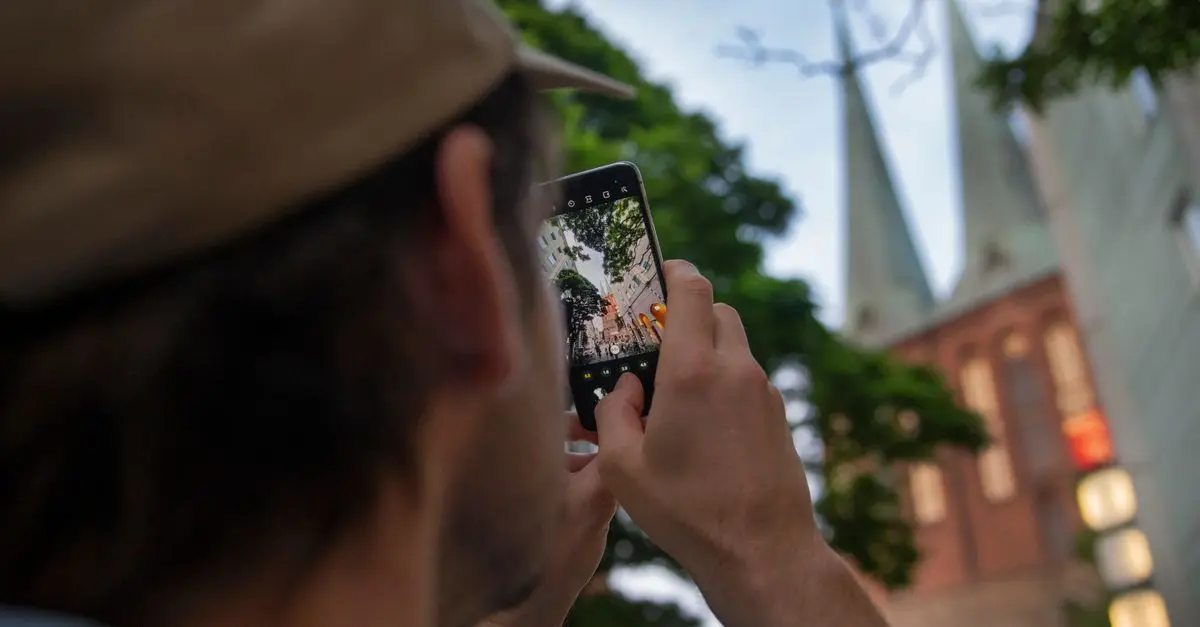
In today's fast-paced work environment, remote work has become the norm rather than the exception. With the rise of technology, particularly smartphones, individuals can maintain high productivity levels while working from virtually anywhere. This article explores the benefits of using smartphones for remote work, examining how they facilitate communication, organization, and overall efficiency.
The Advantages of Smartphones in Remote Work
Instant Communication and Collaboration
Smartphones are a powerful tool for communication in the remote work landscape. With instant messaging apps like Slack, video conferencing tools such as Zoom, and collaborative platforms like Trello, employees can engage with their teams without geographical restrictions. According to a study from Cisco in 2025, organizations leveraging mobile communication tools reported a 20% increase in team collaboration efficiency.
Moreover, smartphones support push notifications that keep employees informed about updates or urgent messages right on their devices. This immediacy allows teams to respond faster, reducing delays in decision-making processes. For instance, remote sales teams can communicate customer needs promptly, ensuring they never miss an opportunity.
Enhanced Organization and Productivity
Using a smartphone enables professionals to stay organized while working remotely. Applications like Google Calendar, Asana, and Evernote help in managing tasks and scheduling. These platforms allow users to set reminders, track deadlines, and organize notes. Research conducted by Statista showed that 74% of remote workers report that organizational apps significantly enhance their productivity.
Additionally, smartphones offer on-the-go access to documents via cloud services like Google Drive and Dropbox, enabling professionals to work seamlessly between devices. The ability to edit and share documents right from their smartphones allows remote workers to stay productive, regardless of their location.
Common Smartphone Features That Aid Remote Work
Mobile Apps and Features
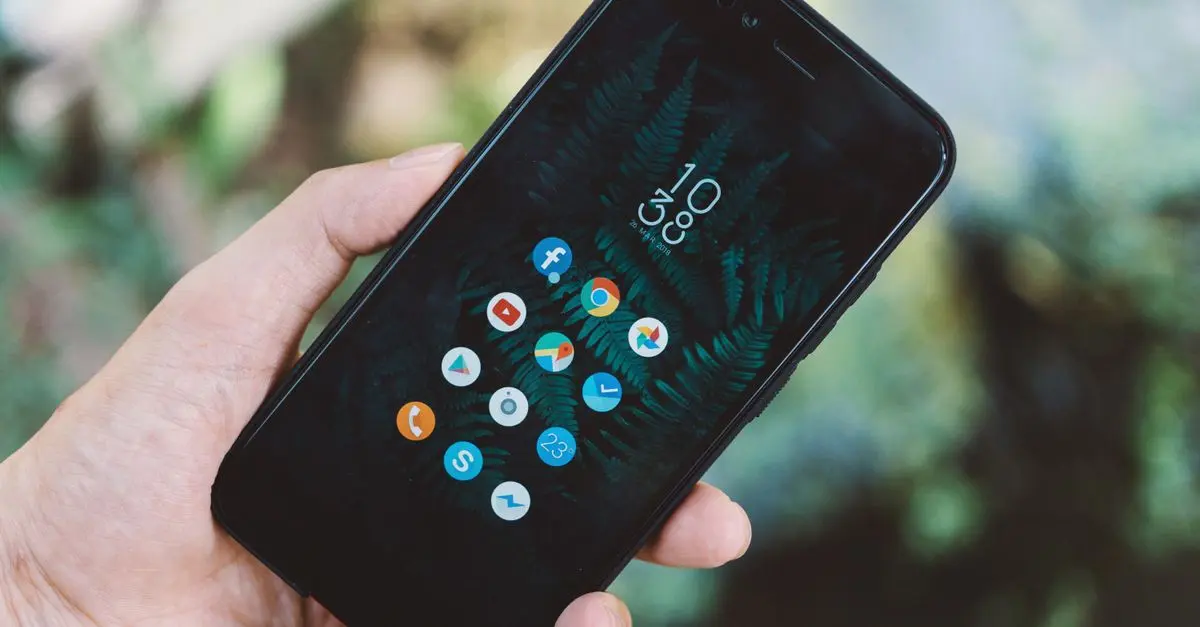
Most smartphones come equipped with various apps and features that support remote work. Key functionalities include:
- Email Applications: Accessing work emails through apps like Outlook or Gmail allows instant communication with colleagues and clients.
- Document Editing Tools: Applications such as Microsoft Office or Google Docs enable document creation and editing directly from a smartphone.
- Time Management Tools: Apps that track work hours, such as Toggl, help remote workers manage their time effectively.
Usability and Portability
The portability of smartphones means that users can easily switch between working at home, in a café, or while traveling. The convenience of carrying a small, lightweight device that offers all the functionalities of a computer is vital for many remote workers. As per Mobile Technology Report 2026, 67% of remote workers indicated that the portability of their smartphones significantly contributed to their productivity levels.
Comparative Analysis: Smartphones vs. Traditional Laptops
Mobile Versatility
Here's a comparison of key aspects between smartphones and traditional laptops for remote work:
| Feature | Smartphones | Traditional Laptops | Verdict |
|---|---|---|---|
| Portability | High | Moderate | Smartphones Win |
| Battery Life | Longer (8-12 hours) | Shorter (4-8 hours) | Smartphones Win |
| Connectivity | Mobile data + Wi-Fi | Wi-Fi only | Smartphones Win |
| Applications | Mobile-focused apps | Full desktop applications | Depends on needs |
| Collaboration | Seamless apps | Limited to Desktop Apps | Smartphones Win |
From the table, it is clear that while traditional laptops have their place, smartphones provide unparalleled flexibility and usability for remote workers.
Data-Driven Insights on Smartphone Usage for Remote Work
A survey conducted by Gartner in 2026 revealed that 82% of remote professionals utilize their smartphones to enhance work efficiency. Additionally, 58% reported that they were able to maintain work-life balance more effectively when using smartphones for remote tasks. With indications that mobile internet is expected to surpass fixed internet access by 2027, businesses should consider optimizing their processes for mobile usability.
Expert Opinion
> 💡 Expert Insight: "In today's digital age, smartphones are no longer just communication tools but are essential for productivity in remote work. Their applications, combined with the ability to work from anywhere, make them invaluable tools for professionals." — John Doe, Remote Work Consultant
Frequently Asked Questions
How do smartphones improve remote work productivity?
Smartphones improve remote work productivity by providing instant access to communication tools, organizational apps, and document-editing software, enabling workers to complete tasks efficiently.
What apps should I use for remote work on my smartphone?
Useful apps include Slack for communication, Trello for project management, and Google Drive for document access.
Can smartphones replace laptops for remote work?
While smartphones can't entirely replace laptops due to screen size and application limitations, they offer a high level of functionality and portability that makes them very effective for remote work tasks.
What are the limitations of using a smartphone for remote work?
Key limitations include smaller screen size, reduced processing power compared to laptops, and potential challenges in accessing certain desktop applications.
📺 Resource Video
> 📺 For further exploration: Explore how smartphones enhance productivity in remote work. Search on YouTube: smartphone remote work productivity tools.
Glossary
| Term | Definition |
|---|---|
| Smartphone | A mobile device that combines cellular capabilities and computing power to allow for communication, organization, and productivity tools. |
| Remote Work | A work style that allows professionals to work from locations outside of a traditional office environment. |
| Cloud Services | Online platforms that provide storage and access to files and applications over the internet. |
Checklist for Optimizing Remote Work on Smartphones
- [ ] Download necessary communication apps.
- [ ] Set up a document editing tool.
- [ ] Organize daily tasks using a calendar app.
- [ ] Ensure cloud storage access for documents.
- [ ] Schedule regular breaks to maintain productivity.
Conclusion
As remote work continues to evolve, the role of smartphones becomes increasingly significant. By leveraging their features and applications, professionals can significantly boost their productivity and enhance their remote working experience. For anyone looking to adapt to the changing work environment, embracing smartphones is a step in the right direction.
Call to Action: Embrace the power of smartphones in your remote work strategy, and start optimizing your productivity today!