Table of Contents (19 sections)
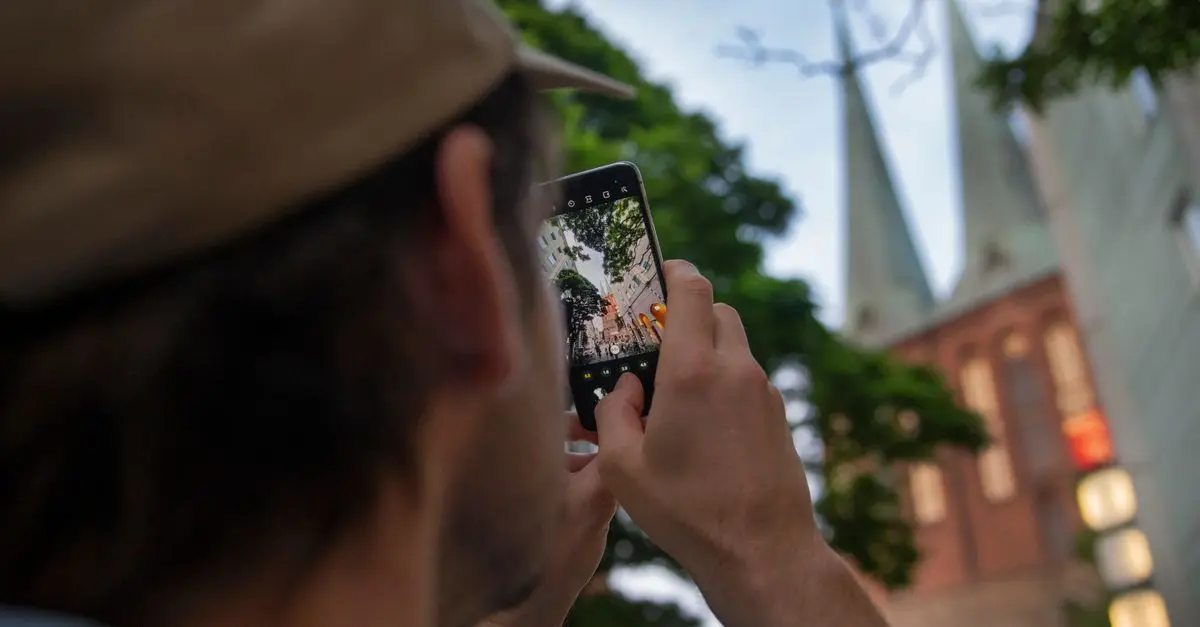
In today’s digital era, smartphone video conferencing has become an essential tool for both personal and professional communication. With the growing reliance on remote meetings, knowing the best practices for conducting video calls on smartphones ensures seamless interactions. Whether you’re attending a work meeting, catching up with family, or conversing with clients, the importance of optimizing your video conferencing experience cannot be overstated.
Understanding Smartphone Video Conferencing
What Is Smartphone Video Conferencing?
Smartphone video conferencing refers to the use of mobile devices to conduct video calls in real-time. This technology allows users to see and hear each other over the internet through various applications, such as Zoom, Google Meet, FaceTime, and others. In 2026, the demand for mobile video conferencing is expected to surge even further, as remote work continues to be a norm.
Why It Matters
Utilizing smartphones for video calls provides flexibility and convenience. It enables users to connect from anywhere, thereby increasing accessibility to meetings. According to a study by Statista in 2025, 76% of remote workers reported using their smartphones for video conferencing to maintain productivity and collaboration.
Essential Tips for Optimizing Smartphone Video Calls
Step-by-Step Guide to Improving Your Video Conferencing Experience
- Choose the Right App: Ensure you are using a reliable video conferencing application. Popular options like Zoom and Microsoft Teams provide user-friendly interfaces and robust features.
- Check Your Internet Connection: A stable internet connection is crucial. Use Wi-Fi whenever possible, and test your connection speed beforehand to avoid interruptions during calls.
- Optimize Your Video Settings: Always ensure that your camera is clean. Most smartphones also have camera settings that allow you to adjust the resolution for better clarity.
- Consider Your Lighting: Good lighting can significantly enhance your video quality. Position yourself in a well-lit area, avoiding backlight that can obscure your face.
- Use Headphones: To minimize audio feedback and improve sound quality, using wired or wireless headphones is highly recommended. This also makes it easier to hear and be heard clearly.
- Test Before Joining: Before important meetings, conduct a test call to check your audio, video, and internet connection. This proactive approach can save you from technical difficulties during the actual call.
- Maintain Professionalism: Dress appropriately and ensure your background is tidy and professional. This helps convey respect for the participants you are meeting with.
Comparison of Popular Video Conferencing Apps
Here’s a comparative look at some of the most widely used video conferencing applications available for smartphones:
| App Name | Features | User Capacity | Quality |
|---|---|---|---|
| Zoom | Screen sharing, breakout rooms | Up to 100 | High |
| Google Meet | Integration with Google apps | Up to 100 | High |
| Microsoft Teams | Collaboration tools | Up to 300 | High |
| Skype | Chat and calls | Up to 50 | Medium |
Analytical Insights on Video Conferencing
Current Trends and Statistics
The rise of remote work has led to a dramatic increase in video conferencing usage. A report by Gartner showed that 80% of companies have incorporated video conferencing platforms into their workflows. In addition, video calls have become a preferred method of communication, leading to a 120% increase in usage over the past two years. This trend demonstrates the need for effective management of smartphone video conferencing.
FAQs About Smartphone Video Conferencing
Q1: What internet speed is needed for video conferencing on a smartphone?
A1: For a smooth video conferencing experience, a minimum internet speed of 1 Mbps is recommended, although higher speeds of 3-5 Mbps are ideal for better quality.
Q2: Can I join video calls using only cellular data?
A2: Yes, you can join video calls using cellular data, but it is advisable to use Wi-Fi to prevent data overages and ensure a stable connection.
Q3: How can I Improve my video quality during calls?
A3: Use good lighting, a clean camera lens, and stable internet connection for improved video quality. Additionally, check your app settings for optimal resolution configurations.
Q4: Are there security risks with smartphone video conferencing?
A4: Yes, there can be security risks like unauthorized access. Always use password protection for your meeting links and ensure your apps are updated regularly.
Expert Advice
> 💡 Expert Insight: According to communication experts, investing in good external microphones can further enhance audio quality, making a substantial difference in difficult audio environments. Proper planning before crucial meetings can lead to fewer interruptions and a more professional discussion.
📺 Video Resource
> 📺 For further learning: Master Smartphone Video Conferencing, a comprehensive analysis of optimizing your mobile video calls. Search on YouTube: how to optimize smartphone video calls.
Glossary
| Term | Definition |
|---|---|
| Video Conferencing | A technology that allows real-time video communication between users over the internet. |
| Bandwidth | The maximum rate of data transfer across a network. Higher bandwidth means better quality for video calls. |
| Latency | The delay before data begins transferring over a network, impacting the real-time communication experience. |
Checklist Before Video Calls
- [ ] Choose the right video conferencing app.
- [ ] Ensure a stable internet connection.
- [ ] Test audio and video settings prior to the call.
- [ ] Select an appropriate location with good lighting and minimal distractions.
- [ ] Prepare agenda points and materials in advance.
In conclusion, mastering smartphone video conferencing requires attention to detail on aspects such as technology, planning, and etiquette. By following these best practices, you can enhance your virtual interactions significantly and ensure that every call is productive and effective. Start applying these techniques today for an improved video conferencing experience.