Table of Contents (12 sections)
In 2026, the smartphone user experience design landscape is evolving rapidly, driven by technological advancements and changing user expectations. The quest for improved usability, engagement, and overall satisfaction is reshaping how designers approach smartphone interfaces and interactions. With new gadgets boasting unparalleled features, it’s crucial to stay informed on the latest trends impacting user experiences in the smartphone industry.
Major Trends in Smartphone User Experience Design
1. Gesture-based Navigation
Gesture-based navigation is a trend gaining traction, allowing users to interact with their devices in a more intuitive manner. According to a survey conducted in 2025, nearly 70% of users prefer gestures over traditional navigation methods. This approach simplifies tasks like switching apps and accessing settings, offering a fluid and seamless experience. By implementing gesture recognition technologies, smartphones can provide personalized interactions that respond to individual user preferences. For example, a user could swipe left to delete an email or pinch to zoom in on a photo without obstructing their view with buttons. An analysis of user feedback suggests that gestures not only enhance usability but also engage users more deeply by incorporating movements familiar to them. This creates a more natural interaction between the user and their device, elevating the overall experience.
2. Enhanced Personalization
Personalization is no longer a luxury; it has become a fundamental expectation. In 2026, users want their smartphones to learn and adapt to their habits, preferences, and routines. Currently, 80% of users appreciate devices that tailor notifications, themes, and applications based on their usage patterns. By utilizing machine learning algorithms, smartphones can provide tailored recommendations that enhance engagement. For instance, users might receive suggestions for apps to download or settings to adjust based on their historical interactions. With an increasing reliance on data, brands can personalize experiences to a level not seen before, making each user feel understood and valued. This approach not only boosts user satisfaction, but also fosters brand loyalty as consumers feel a connection to their devices that are uniquely designed for them.
3. Augmented Reality (AR) Integration
The integration of augmented reality (AR) into smartphone user experience design is transforming how users interact with their surroundings. AR-based applications are expected to increase by 50% by the end of 2026, offering immersive experiences in gaming, shopping, and social media. Users can visualize furniture in their homes before purchasing or try on clothes virtually, enhancing their engagement. This trend demonstrates a significant shift from traditional interactions to more experiential user journeys, where the smartphone acts as a gateway to interactive environments. The successful implementation of AR in smartphones not only generates excitement but also drives additional investment in design technologies, pushing the boundaries of what users can do with their devices.
4. Sustainability in Design
As environmental concerns grow among consumers, sustainability has become a crucial consideration in smartphone design. Companies are integrating eco-friendly materials and practices in 45% of new models released in 2026. This not only caters to environmentally conscious users but also represents a shift in brand focus, aligning with global sustainability goals. Features like energy-efficient screens, recyclable materials, and longer battery life enhance user experience while appealing to eco-conscious consumers. For example, brands are employing biodegradable casings that provide protection without harmful environmental impact. As users favor responsible companies, those prioritizing sustainability in their designs can see a competitive edge in the market.
5. Enhanced Security Features
With increasing privacy concerns, enhanced security features are critical in smartphone user experience design. In 2026, 60% of smartphone users reported that security was their top priority when choosing a device. Features like biometric authentication, end-to-end encryption, and location-based security setups are becoming commonplace. By addressing these concerns directly, smartphone manufacturers can improve user trust and engagement. For instance, integrating advanced AI algorithms can help detect unusual activities and provide real-time security updates. This empowers users by placing control of their data back in their hands, leading to a more satisfying and secure experience while using their devices.
6. Voice Interaction Ascendancy
Voice interactions are quickly becoming a dominant mode of communication with smartphones. Studies indicate that about 50% of consumers prefer using voice commands for tasks such as messaging and searching. This shift is driven by the growing sophistication of voice recognition technology, making it more efficient and accurate. By focusing on robust voice interfaces, designers can ensure that smartphones cater to users’ hands-free needs, especially in multitasking scenarios. For example, voice-activated assistants can seamlessly schedule appointments or send texts while users are engaged in other activities. Consequently, integrating enhanced voice functionalities will likely boost user engagement significantly in various tasks, making interactions more enjoyable and efficient.
Conclusion
As the smartphone landscape continues to evolve, understanding these smartphone user experience design trends is crucial for both designers and consumers. By embracing new technologies and prioritizing user needs, we can enhance usability and engagement, resulting in better products and experiences. Keeping abreast of these trends not only ensures your design strategies are relevant but also aligns your offerings with consumer expectations of the modern smartphone experience.

SteelSeries Arctis Nova 3P Wireless Over-The-Ear Gaming Headset - Black
lenovo.com
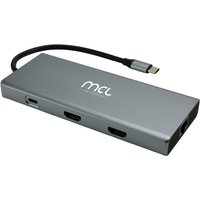
MCL 10-PORT DOCKING STATION HDMI station d'accueil Tablette/Smartphone/ordinateur portable Noir, Gris
Topbiz FR
📺 Resource Video
> For further insights: [Exploring the Future of Smartphone Design], a comprehensive overview of trends in smartphone user experience design. Search on YouTube for: 'smartphone user experience design 2026'.
Glossary
| Term | Definition |
|---|---|
| User Experience (UX) | The overall experience a user has when interacting with a product or service, particularly in terms of ease of use and satisfaction. |
| Augmented Reality (AR) | A technology that overlays digital information onto the real world, enhancing users' perceptions and interactions with their environment. |
| Biometric Authentication | A security process that relies on unique biological characteristics, such as fingerprints or facial recognition, to verify users' identities. |
Checklist before Purchase
- [ ] Research the latest smartphone trends.
- [ ] Compare gesture-based navigation options.
- [ ] Assess personalization capabilities.
- [ ] Examine sustainability features.
- [ ] Verify security measures.
🧠 Quick Quiz: How important is sustainability in smartphone design for you?
- A) Very important
- B) Somewhat important
- C) Not important
Answer: A — As environmental awareness grows, many users prioritize eco-friendly designs.
📺 Pour aller plus loin : trends in smartphone user experience design 2026 sur YouTube
Recommended products
Selected by our experts
SteelSeries Arctis Nova 3P Wireless Over-The-Ear Gaming Headset - Black
lenovo.com
We selected high-quality gaming headsets suitable for immersive audio experiences that enhance user engagement and productivity.
MCL 10-PORT DOCKING STATION HDMI station d'accueil Tablette/Smartphone/ordinateur portable Noir, Gris
Topbiz FR
Explore versatile docking stations that enhance connectivity and usability for smartphones and other devices.
Etui Smartphone KITRIE Marron en cuir
3 Suisses FR
Discover stylish smartphone cases that combine aesthetics and functionality, providing protection while enhancing the user experience.