Table of Contents (10 sections)
Buying a smartphone is no longer as straightforward as it was a decade ago. With the rapid advancement of technology, various brands and models flood the market, each touting distinctive features. This guide will help you navigate this exciting yet overwhelming landscape by detailing the top five factors to consider when making your purchase.
1. Operating System: Android vs iOS
The first significant decision you have to make revolves around the operating system (OS). Currently, the two leading platforms are Android and iOS. Each system has its advantages and unique features which influence user experience.
Android is known for its flexibility. It allows for extensive customization, enabling users to personalize their devices according to their preferences. Moreover, the Google Play Store boasts millions of applications, granting users diverse options for apps and games. For example, an average Android phone may offer additional features like expandable storage through a microSD card, which is a boon for those who consume media frequently.
Conversely, iOS offers a more contained, efficient ecosystem with increased security. For those who already own other Apple products, such as an iPad or a MacBook, using an iPhone provides seamless integration across devices. Apple's App Store is tightly regulated, meaning apps tend to have better optimization and security checks. Choosing between Android and iOS often hinges on personal preference, lifestyle, and the compatibility of existing devices.
2. Camera Quality: Megapixels Matter, But So Does Functionality
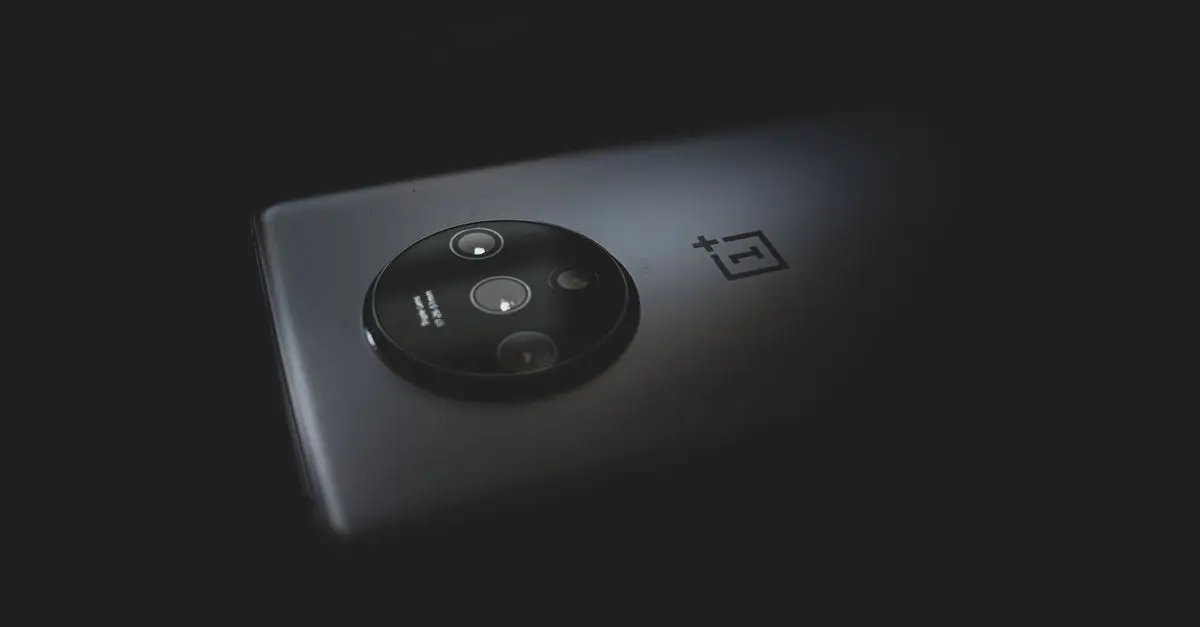
In today's visually driven world, your smartphone's camera quality is likely to be a top concern. While many users look at megapixels as the main metric, other factors significantly influence image quality, such as aperture size, optical image stabilization, and software processing.
For instance, having a camera with high megapixels can capture more detail, but if the lens quality is poor or the software cannot process images well in low light, the results may be underwhelming. Look for smartphones that offer multiple lenses, such as wide-angle, macro, and telephoto, to enhance your photography experience. Statistically, a smartphone equipped with a high-quality camera can significantly impact user satisfaction—according to various surveys, 90% of users rated camera quality as crucial in their purchasing decision.

EZSmart EZ SmartPhone Auto Picture and Data Backup Cube - 64gb white
shop.simon.com

EZSmart EZ SmartPhone Auto Picture and Data Backup Cube - 32Gb white
shop.simon.com

Smart Smartphone Case - For Samsung Galaxy XCover6 Pro Smartphone - Black
bestbuy.com
3. Battery Life: Powering Your Daily Activities
Battery performance is another vital aspect to consider when buying a smartphone. With endless features and apps draining power, maximizing battery life enhances overall user experience. Generally, battery capacity is measured in milliamp-hours (mAh), but this number alone doesn't dictate performance.
For example, a phone with a larger battery doesn’t always mean longer life if the software isn't optimized. Recent studies indicate that users prefer smartphones that can comfortably last a full day on a single charge. Some brands even incorporate fast charging technologies, which can be a game changer for users on the go. Before purchasing, it’s advisable to read user reviews concerning battery performance, as real-world tests often yield insights beyond manufacturer claims.
4. Storage Options: Sufficient Space for Apps and Media
Storage capacity has become increasingly significant, especially for our modern usage patterns. Mobile users are downloading more apps, capturing an arsenal of photos, and saving large files. When buying a smartphone, consider not just the initial storage, but how much space you might need in the foreseeable future.
Most smartphones come in standard storage capacities such as 64GB, 128GB, and 256GB. If you're an avid photographer or gamer, opting for higher storage models will save you from the hassle of regularly managing your files. Additionally, some smartphones offer options for external storage via microSD cards—this flexibility can help you avoid the 'sweet spot' dilemma when it comes to storage space. Users commonly overlook this and end up needing more storage than what their device provides, leading to a frustrating experience.
5. Budget: Balancing Features with Cost
Last but not least, your budget is a pivotal factor when buying a smartphone. Understanding how much you’re willing to spend allows you to narrow down choices more effectively. Smartphones range from budget-friendly to high-end models with premium pricing attached.
Consider what features are most important. Often, mid-range models strike a good balance between functionality and cost effectiveness. It's also wise to keep an eye out for seasonal sales or promotional offers, as manufacturers frequently reduce prices for new model launches. According to market research, consumers tend to spend between $300 and $800 on smartphones, indicating a healthy demand for mid-range options that don’t compromise too much on quality. Therefore, set a clear budget to streamline your decision-making process while still getting value for your investment.
📺 For further exploration:
[YouTube video insights on smartphone features and comparisons] can provide helpful visual references and further analysis on the points discussed. Search for high-quality reviews to see these devices in action.
Drop Dash Deals Screen Clip Phone Mount, Universal Smartphone Holder Screen Clip Phone Mount, Universal Smartphone Holder
inspireuplift.com


MOVO - PR-1 Smartphone Grip Handle Rig - Compatible with Most Smartphones
bestbuy.com
🧠 Quick Quiz:
> What is the most crucial factor for you when buying a smartphone?
> - A) Operating System
> - B) Camera Quality
> - C) Battery Life
> - D) Budget
> Answer: D — Knowing your budget influences all other decisions in smartphone selection.
Checklist Before Purchase
- [ ] Determine your preferred operating system (Android vs iOS)
- [ ] Assess camera performance and reviews
- [ ] Check battery life statistics and user feedback
- [ ] Evaluate storage needs based on usage habits
- [ ] Set a clear budget and explore options within that range
Glossary
| Term | Definition |
|---|---|
| Operating System (OS) | Software that supports basic functions on mobile devices, dictating user experience. |
| MegaPixels (MP) | A unit to measure camera resolution; higher MP can indicate better picture quality but isn't the sole factor. |
| Battery Capacity | Represented in milliamp-hours (mAh), indicating how much power a battery can store. |
Purchasing a smartphone is a big decision. By considering these essential factors, you can find the one that fits your lifestyle and needs. Discover our recommended products below to match your ideal smartphone choice!
📺 Pour aller plus loin : 2026 smartphone features comparison sur YouTube
Recommended products
Selected by our experts

Movo PR-1 Smartphone Grip Handle Rig - Compatible with Most Smartphones black
shop.simon.com