Table of Contents (11 sections)
Selecting a smartphone today involves navigating a vast sea of options. With countless models available, how do you ensure you pick the right one for your needs? In this guide, we present a step-by-step method to aid your purchasing decision. By understanding what features matter most to you, you can simplify the selection process and avoid the common pitfalls.
1. Determine Your Budget
Before you even begin to browse models, clarify your budget. Smartphones are available across a broad price spectrum, from budget-friendly options to premium devices costing upwards of a thousand dollars. Establishing a maximum budget helps narrow your potential choices significantly. According to UFC-Que Choisir, the average consumer should aim for a smartphone that balances features and cost effectively.
For example, if you set a budget of around $300-$500, you will find well-reviewed options that include decent cameras, ample storage, and reliable performance. If you opt for a budget model, ensure it meets your essential requirements like battery life or screen size. Remember to consider the long-term value, as a slightly more expensive smartphone could provide more durability and features that justify the higher initial cost.
2. Understand Your Needs
Your needs will greatly influence the smartphone you choose. Are you an avid photographer, a gamer, or someone who primarily uses their phone for communication? Creating a list of features most important to you can guide your search. For instance, a photography enthusiast might prioritize cameras with high megapixel counts and multiple lenses, while a casual user may focus on user-friendly interfaces and battery longevity.
Smartphones often advertise specs like RAM, processing power, and camera capabilities. For example, a phone with 128 GB of storage might suffice for general users but could fall short for those who frequently download large apps and games. According to data from Les Numériques, users report that battery life holds more importance than other features among their top priorities; thus, consider checking reviews focusing on performance and longevity.
3. Compare Operating Systems
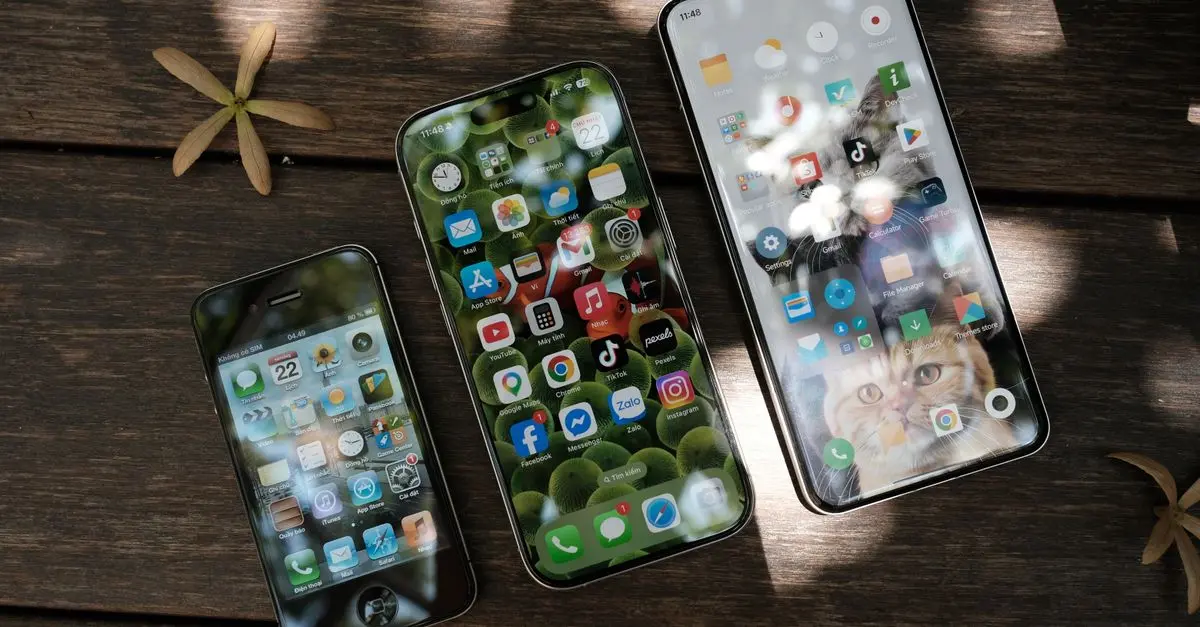
Smartphones primarily run on two operating systems: iOS and Android. Each platform offers unique advantages and limitations. iOS devices generally offer a more streamlined and user-friendly experience with consistent software updates. In contrast, Android smartphones provide a wider range of hardware options and flexibility in terms of customization.
When choosing between these systems, consider factors such as app availability, interface usability, and device ecosystem. For example, if you heavily use services from Google, an Android device may integrate better with your existing services. On the other hand, if you own multiple Apple products such as a MacBook, an iPhone could enhance your overall user experience due to its seamless interconnectivity.
In summary, choose your OS based on personal preference and existing ecosystem compatibility. If unsure, visiting stores to test devices can offer insight into what feels comfortable for you.
4. Evaluate Hardware Specifications
The next step in choosing the right smartphone is to evaluate critical hardware specifications. These include the processor, RAM, display quality, and battery capacity. Your smartphone's performance is heavily influenced by these specs. A powerful processor paired with ample RAM can offer a smoother user experience, especially for multitasking and gaming.
Here’s a look at some key specifications:
| Criterion | Budget Phone | Mid-Range Phone | High-End Phone |
|---|---|---|---|
| Processor | Snapdragon 460 | Snapdragon 778G | A15 Bionic |
| RAM | 4 GB | 8 GB | 12 GB |
| Display Quality | HD (720P) | Full HD (1080P) | QHD+ (1440P) |
| Battery Capacity | 4000 mAh | 4500 mAh | 5000 mAh |
5. Read Reviews and Gather Insights
Once you’ve highlighted potential smartphone options, delve into user reviews to garner insights. Websites like 60 Millions de Consommateurs and Les Numériques provide detailed comparisons and test results. Reading experiences from current users can illuminate aspects of the smartphone that specifications alone may not convey. Focus on reviews that share both positive experiences and criticisms;
one can glean insights into real-world performance, software experiences, and customer service reliability.
Moreover, consider forums and social media for user discussions and feedback. You might find common issues that users face, which could sway your decision significantly. For example, if a common complaint about one model is poor battery life, it’s worth reconsidering that option.
6. Make a Purchase Decision and Checklist
Now that you have gathered all the necessary information, it’s time to make a decision. Confirm that your chosen smartphone meets your established criteria—from budget to performance requirements. Before finalizing your purchase, utilize the following checklist:
- [ ] Confirm budget alignment
- [ ] Ensure essential features are included
- [ ] Operational system preference checked
- [ ] Hardware specifications match your usage
- [ ] Read verified reviews
Making an informed decision will lead to a more satisfying smartphone experience.
Conclusion
Choosing the right smartphone requires thoughtful evaluation of your personal needs, preferences, and budget considerations. By following the steps outlined in this guide, you can confidently select a smartphone that will serve your requirements for years to come. Don’t forget to check out our recommended products below to explore options that suit your needs.
📺 Resource Video
> To further explore how to choose the right smartphone, watch our video: "Smartphone Buying Guide for 2026", a comprehensive analysis of key features to consider! Search on YouTube: smartphone buying guide 2026.
Checklist before Purchase
- [ ] Verify the budget
- [ ] Determine required features
- [ ] Select preferred operating system
- [ ] Assess hardware capabilities
- [ ] Consider user reviews

Glossary
| Term | Definition |
|---|---|
| Operating System (OS) | Software that manages hardware and creates user interfaces on smartphones, primarily iOS and Android. |
| RAM (Random Access Memory) | Memory used by a device to store data temporarily for quick access, affecting multitasking capabilities. |
| Processor | The central unit that executes instructions within a smartphone, strongly influencing performance and efficiency.
📺 Pour aller plus loin : smartphone buying guide 2026 sur YouTube
Recommended products
Selected by our experts
Smartphone Yonis noir 5.7 RAM 2 Go stockage 128 Go
Darty FR
This smartphone offers robust features with impressive performance, ideal for anyone looking for reliability in a mobile device.